game review · Sleeping Gods
Sleeping Gods
2025-12-23 · 3 min read
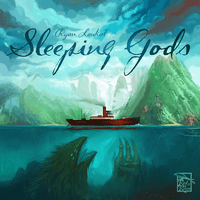
The box claims one to twenty hours and I don’t believe either number, a real campaign runs closer to five to eight hours by my count, roughly fifty four turns if you’re cycling the event deck three full times, and if that framing had been on the box instead of the current one I’d have gone in with better expectations. What’s actually on the table once you accept the real time commitment is genuinely one of the best adventure games I’ve played, choose your own path exploration, a combat system that plays almost like tic tac toe so it never gets in the way of the story, and a tone that lands somewhere between Indiana Jones and a Miyazaki film.
The quickstart guide is a real problem worth flagging before your first session, it only teaches a fraction of the mechanics you actually need and at one point sends you searching the wrong deck entirely for cards you need to start, which risks spoiling content you haven’t earned yet. Look up a fan made setup guide before you crack the box rather than trusting the included one, it’ll save you an hour of confused searching through market and quest decks that look almost identical.
Table presence is strong once everything’s spread out, a real sense of a living map with over a thousand components, though the flip side is genuinely brutal bookkeeping for a game this narrative focused, fatigue tokens and wound tracking that feel more like a video game’s stat sheet than something a board game usually asks of you. I’d have taken an app assisted version of some of that tracking without complaint. Combat leans punishing rather than letting you feel like the growing hero the story wants you to feel like, my one real gripe with an otherwise gorgeous design.
Play it slow, an hour or two a session like reading a book, and this becomes one of the better solo or two player nights on my shelf.