book review · Dune
Dune
2026-01-03 · 3 min read
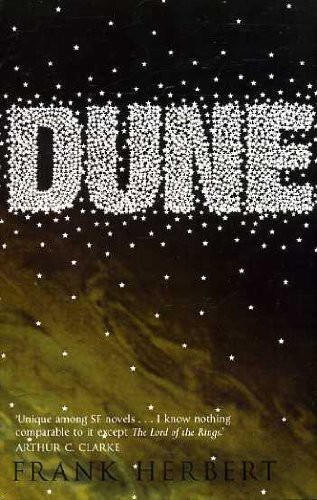
Every imitation of this book eventually made me appreciate the original more, not less, Arrakis is a genuinely unique creation, a desert world built entirely around the logic of water scarcity and one impossibly valuable substance, and Herbert commits to that logic so completely that the politics, the religion, and the ecology all feel like they’re growing out of the same root system instead of being bolted together for plot convenience.
It takes real patience to get into, the first hundred pages ask you to hold a lot of unfamiliar vocabulary and political maneuvering in your head before the actual story finds its footing, and I know plenty of people who bounced off it right there. Stick with it. Once Paul is actually on Arrakis and the Fremen enter the picture, the pacing tightens up considerably and the book becomes very hard to put down.
The mystical and religious layer is what separates this from every space opera that copied its surface details without understanding what made it work, the rise of a messiah figure engineered by generations of breeding programs and political maneuvering, and the book is honestly cynical about that process even while making it thrilling to read, Paul’s ascension is never presented as purely good even as you’re rooting for him the whole way through. The prescient visions and the weight of inevitable history bearing down on every choice give the back half of the book a genuine sense of dread that I didn’t expect a book this old to still pull off.
This holds up on a reread better than almost anything else from its era, the themes around power and prophecy and the pressures great men put on history land differently each time depending on what’s going on in your own life when you pick it back up. An absolute classic, worth the effort it asks of you up front.